
What to change, what to keep, and where to invest when transforming a newly purchased house into a home.
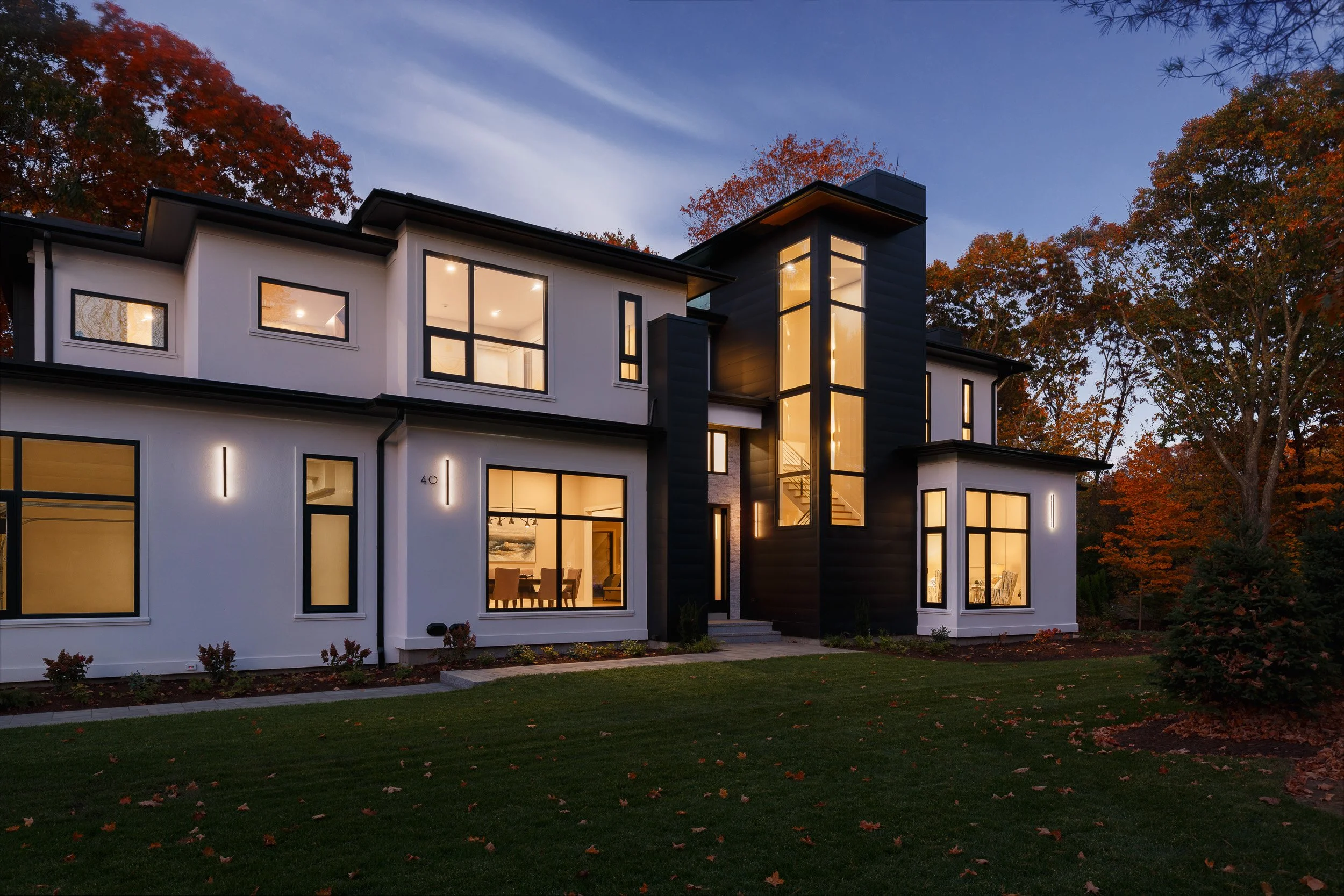
Purchasing a home is an exciting milestone. Whether you've found a historic property in Newton, a gracious Colonial in Wellesley, a contemporary residence in Lexington, or a beautiful townhouse in Boston, the possibilities can feel endless.
And so can the decisions.
Should you renovate the kitchen before moving in? Replace the floors? Reconfigure the living spaces? Invest in custom cabinetry? Keep the existing finishes and focus on furnishings?
For many homeowners, the temptation is to start making changes immediately. After all, you've invested significantly in the property, and naturally, you want it to reflect your taste and lifestyle.
But here's something I've learned through years of designing homes throughout Greater Boston:
The most expensive renovation mistakes rarely begin with poor taste. They begin with decisions made in the wrong order.
A beautiful material selected without considering the rest of the home. A kitchen redesigned before understanding how the family will use it. Furniture purchased before establishing the correct layout.
Individually, these decisions may seem perfectly reasonable. Together, they can result in a home that feels disconnected, requires costly corrections, or never quite achieves its potential.
Before you begin transforming your new home, here are seven mistakes worth avoiding.
1. Renovating Before Understanding the House
One of the first impulses after purchasing a property is to identify everything you want to change.
The kitchen feels dated. The bathrooms need attention. The floors aren't quite the right color. Perhaps the layout doesn't immediately suit your lifestyle. But before making significant changes, it's important to understand what the house already offers.
Every property has an architectural language, a natural flow, and qualities that deserve consideration. In a historic Boston-area home, original millwork, beautiful proportions, or distinctive architectural details may be among its greatest assets. In a contemporary residence, clean lines, natural light, and open spaces might define its character.
The goal isn't necessarily to preserve everything or replace everything. It's to recognize which elements contribute to the home's identity and which changes will genuinely improve the way you live.
Our advice: Before committing to renovations, develop a comprehensive vision for the property. Consider the architecture, the relationship between rooms, your lifestyle, and the atmosphere you want to create. Sometimes, the most sophisticated design decision is knowing what not to change.
2. Designing the Kitchen in Isolation
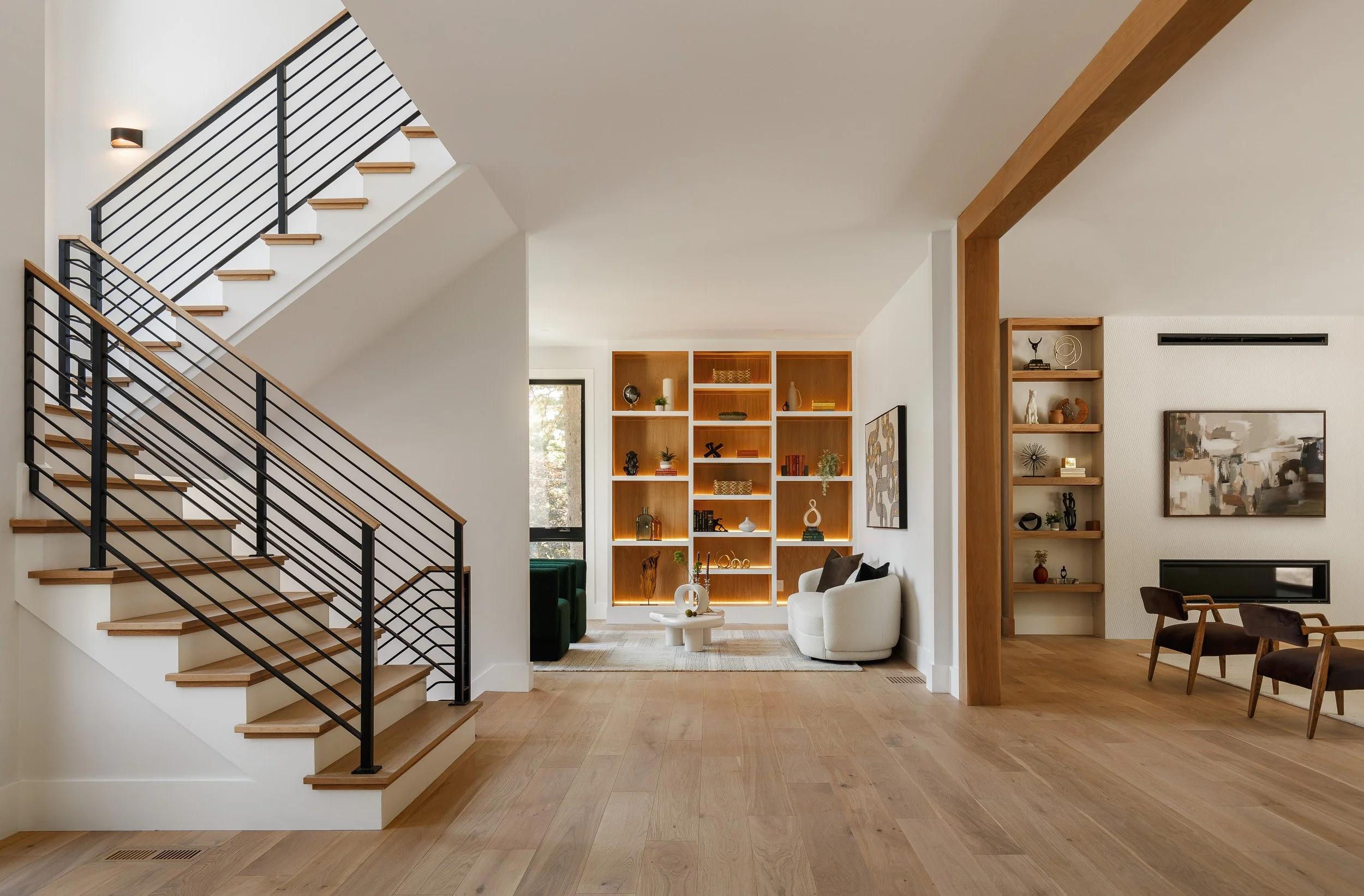
The kitchen is often one of the first spaces homeowners want to renovate, and understandably so. It's a significant investment and one of the most frequently used rooms in the house. But a kitchen shouldn't be designed as an independent project without considering its relationship to the surrounding spaces. Cabinetry finishes, flooring, countertops, lighting, and architectural details all influence the character of the adjoining rooms.
A beautiful kitchen can still feel out of place if its materials, proportions, or design language don't connect with the rest of the home. This is particularly important in open-concept homes, where the kitchen, dining room, and living areas are visually connected.
At DFI Interiors, we approach these spaces as parts of a larger composition. We consider how materials transition, how colors relate, and how the kitchen contributes to the overall experience of the home.
Our advice: Establish the broader interior design direction before finalizing your kitchen selections. A cohesive home is far more compelling than a collection of individually beautiful rooms.
3. Purchasing Furniture Before Establishing a Floor Plan
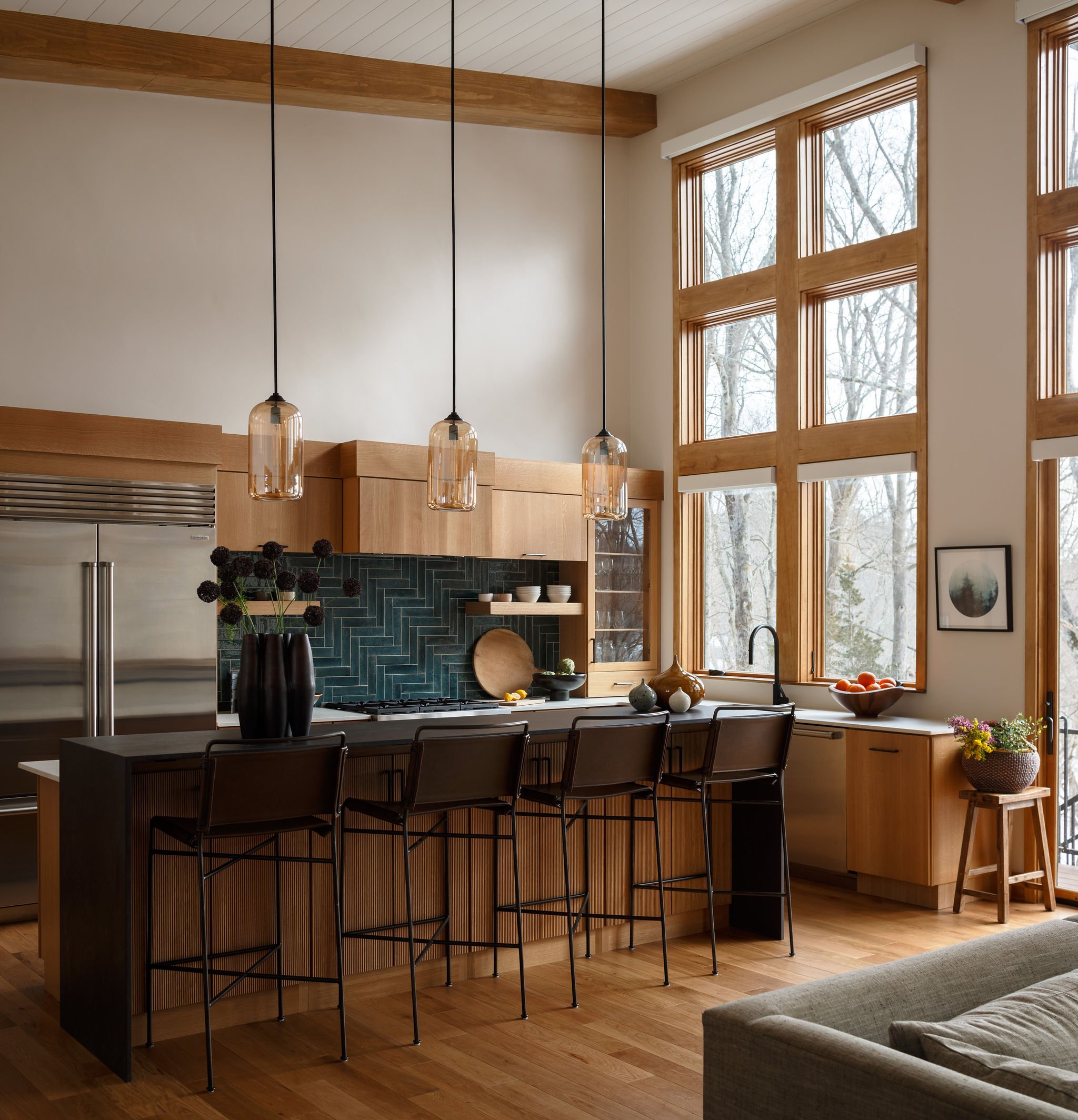
You've found the perfect sofa. It's beautifully made, the fabric is gorgeous, and you can already imagine it in your new living room. There's just one problem: you haven't established the room's layout.
Furniture purchased without a carefully considered floor plan is one of the most common and avoidable mistakes we encounter.
A sectional may overwhelm the room. A dining table may leave insufficient circulation space. A beautiful pair of chairs might be completely out of proportion with the architecture. And the consequences extend beyond dimensions.
Furniture placement affects lighting, electrical locations, window treatments, and how people move through a space. When these decisions are made independently, compromises become inevitable.
Our advice: Begin with space planning. Determine how each room will function, establish furniture proportions, and consider circulation before selecting individual pieces. A successful room isn't simply filled with beautiful furniture. It's thoughtfully composed.
4. Spending on the Wrong Improvements
Not every renovation deserves the same investment.
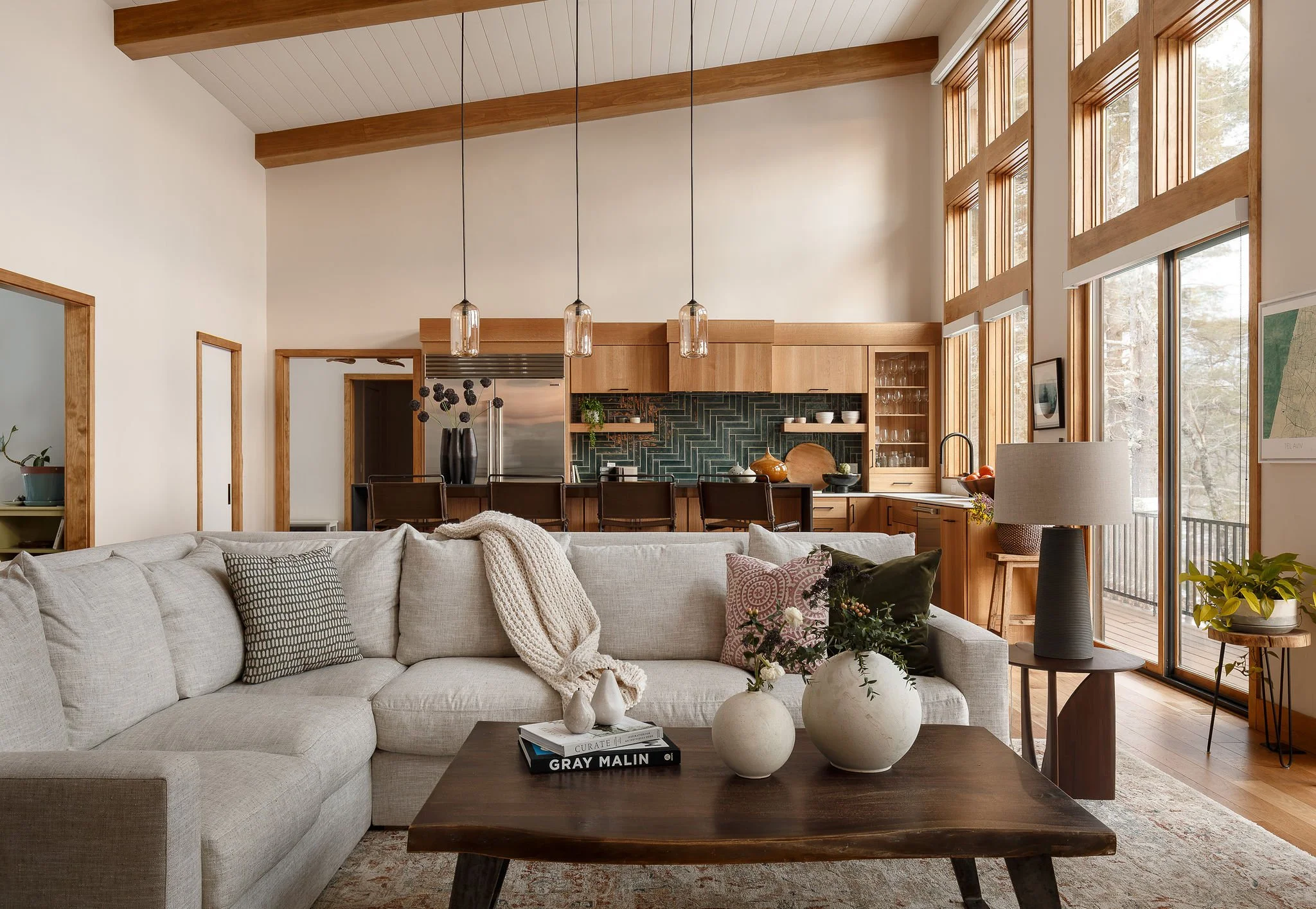
Homeowners sometimes allocate substantial budgets to visible cosmetic changes while overlooking improvements that would have a greater impact on their daily lives. For example, replacing perfectly functional cabinetry may be less valuable than improving an awkward kitchen layout. Expensive decorative finishes may have limited impact if the lighting is poorly planned. Conversely, thoughtful architectural millwork, properly scaled lighting, beautiful natural materials, and well-designed storage can dramatically elevate a home.
The challenge is distinguishing between improvements that simply look appealing and those that genuinely enhance the property. It's also important to separate personal enjoyment from potential resale value. A renovation that transforms your daily experience may be entirely worthwhile, even if it doesn't deliver a dollar-for-dollar return when you sell.
Our advice: Prioritize investments according to three considerations:
How significantly will this improve the way you live?
How will it contribute to the overall design and quality of the home?
Is the investment appropriate for the property and your long-term plans?
The objective isn't to spend less. It's to spend thoughtfully.
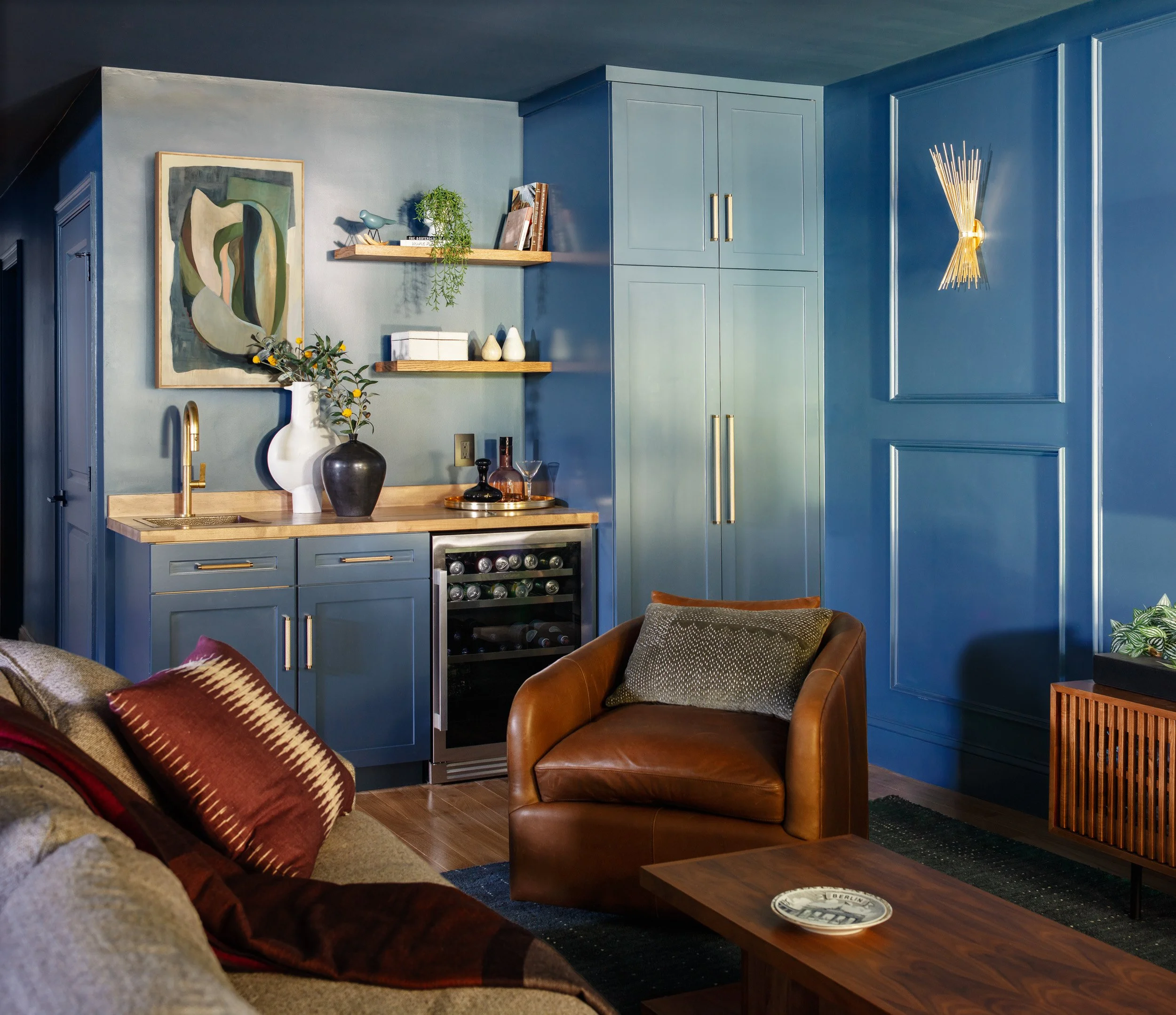
5. Selecting Finishes One at a Time
A beautiful tile discovered at a showroom. A paint color recommended by a friend. A light fixture saved from Instagram. A countertop selected because it looked stunning in another home.
Each choice may be attractive on its own. But interior design is about relationships.
The undertones of the flooring influence the cabinetry. The cabinetry affects the countertop selection. The countertop interacts with the backsplash. Lighting changes how every material and color is perceived.
When finishes are selected independently, homeowners can end up with subtle inconsistencies that are difficult to identify but impossible to ignore once everything is installed.
This is one of the reasons we develop a cohesive material and color palette before finalizing individual selections. We want to understand not only how each material looks, but how it works alongside everything else.
Our advice: Resist the temptation to make decisions based solely on individual samples or inspirational photographs. A thoughtfully layered home requires a consistent design direction, careful consideration of undertones and textures, and an understanding of how materials will appear in the actual space.
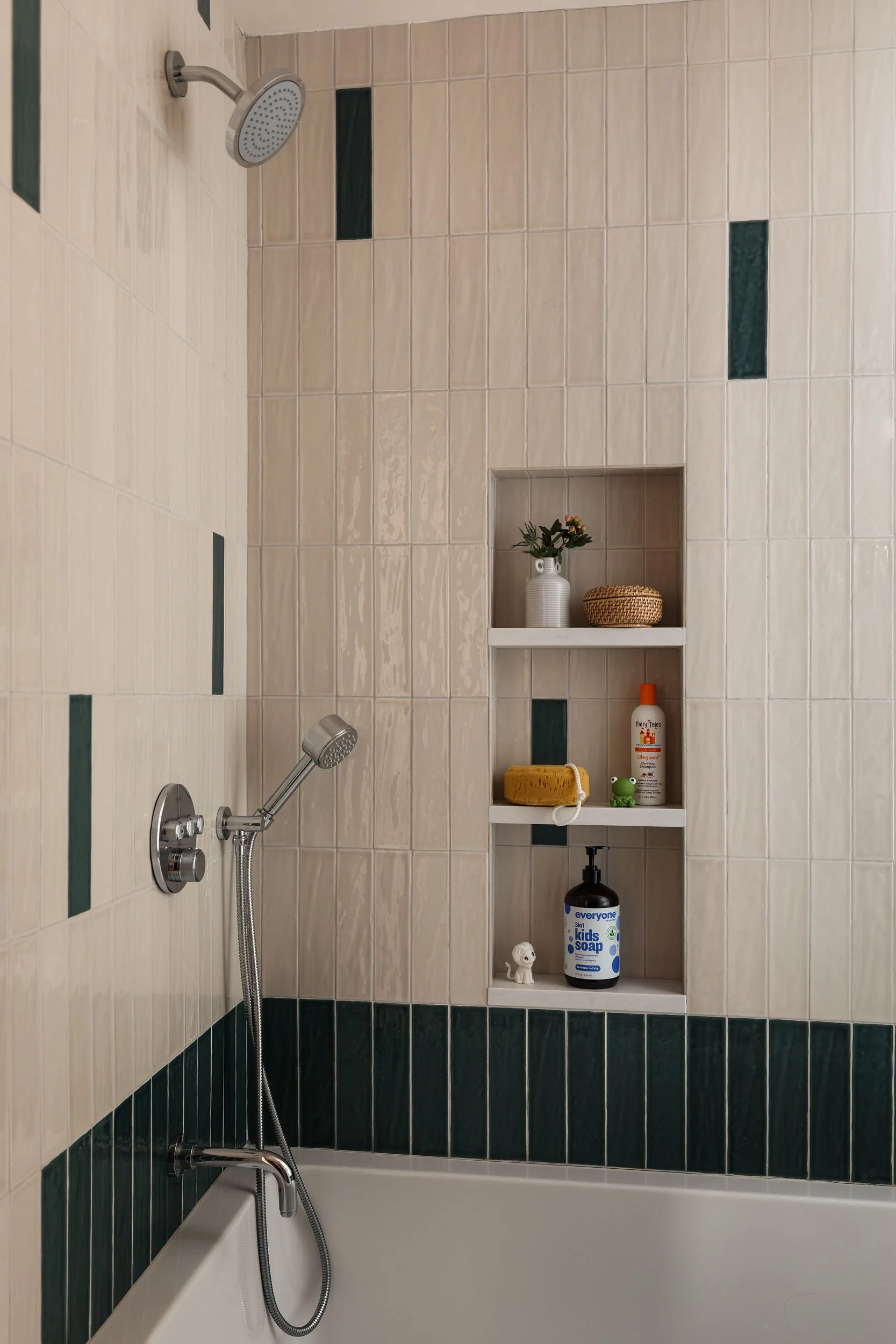
6. Underestimating the Importance of Lighting
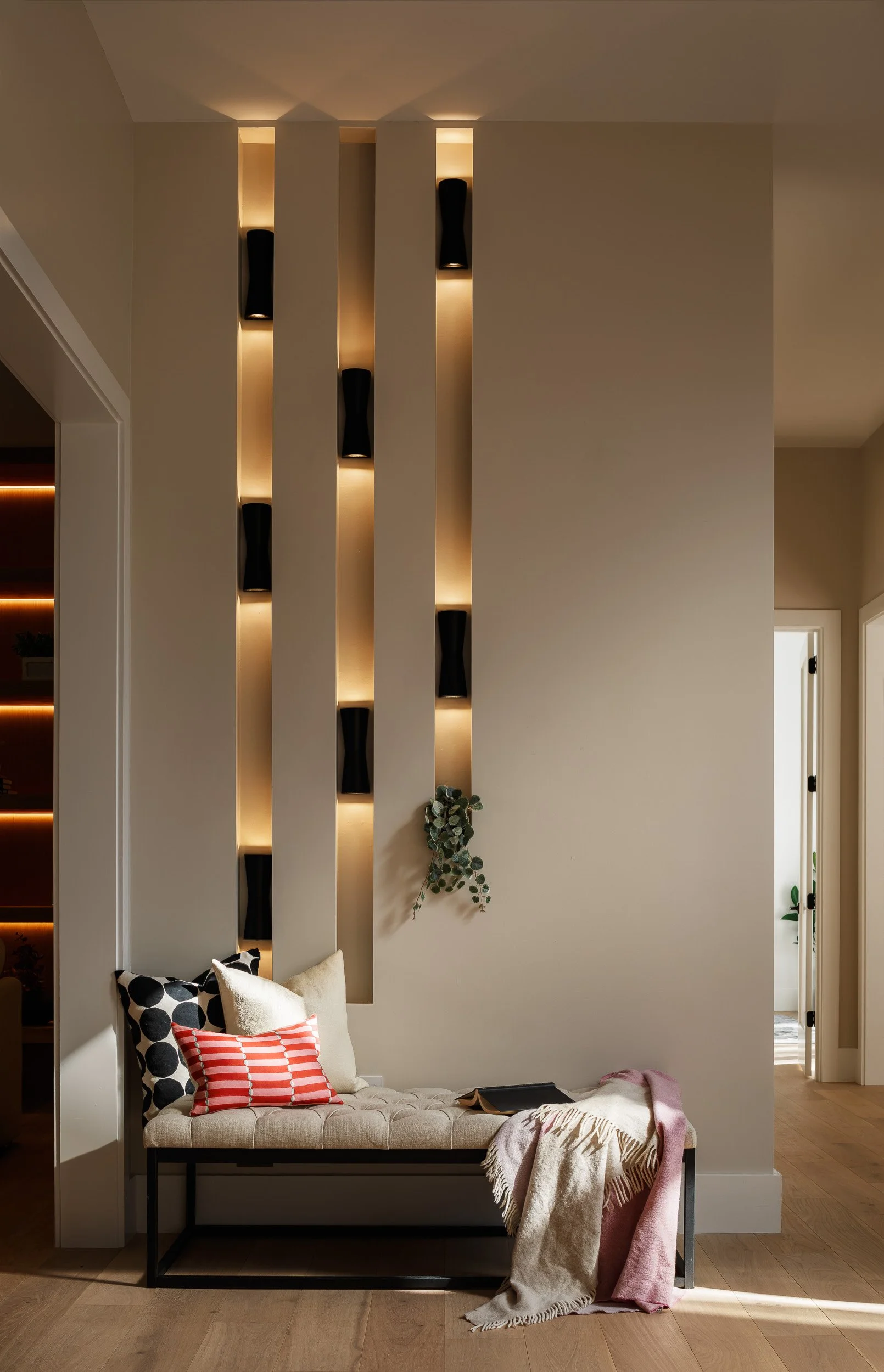
Lighting is one of the most transformative elements in a home and one of the most frequently underestimated.
A beautiful room can feel flat or uninviting under poorly planned lighting. Conversely, thoughtful illumination can highlight architectural features, create warmth, and completely change the atmosphere of a space.
Effective lighting goes far beyond selecting attractive fixtures. It involves understanding how ambient, task, and accent lighting work together; where light should be directed; how different finishes respond to illumination; and how the lighting changes throughout the day.
Color temperature, dimming capabilities, fixture placement, and the relationship between decorative and architectural lighting all matter. Unfortunately, lighting decisions are often left until construction is well underway, when making adjustments becomes more complicated and expensive.
Our advice: Incorporate lighting into the design process from the beginning, particularly when renovating kitchens, bathrooms, and living spaces. Beautiful lighting should never be an afterthought.
7. Waiting Too Long to Involve an Interior Designer
Perhaps the most consequential mistake is assuming that an interior designer should become involved only when it's time to choose furniture, paint colors, or decorative finishes.
In reality, some of the most valuable design decisions happen long before construction begins. An experienced interior designer can help evaluate floor plans, improve the relationship between spaces, establish material palettes, coordinate cabinetry and lighting, and ensure that the overall vision remains cohesive.
When a designer is involved early, decisions can be made in the right sequence, with fewer compromises during implementation. This becomes particularly important when working alongside architects, builders, and specialty trades.
Each professional brings valuable expertise. A thoughtful interior design process helps connect those contributions to the homeowner's broader vision.
Understanding the investment involved in professional interior design is an important part of planning any renovation. For homeowners considering a project in Greater Boston, we've also put together a guide to how much an interior designer costs in Boston, including what influences design fees and what to expect when working with a professional.
Our advice: If you're purchasing a home that will require substantial renovation, consider involving your interior designer before plans and major selections are finalized. The earlier the vision is established, the more opportunities there are to create a home that feels intentional from beginning to end.
A Beautiful Home Begins With a Thoughtful Plan
One of the most rewarding aspects of our work at DFI Interiors is helping homeowners see possibilities they may not have initially imagined.
Sometimes that means rethinking the layout of a room. Sometimes it involves introducing beautiful materials, custom cabinetry, or a more considered approach to lighting.
And sometimes, it means recognizing that a home already possesses wonderful qualities that simply need to be brought forward.
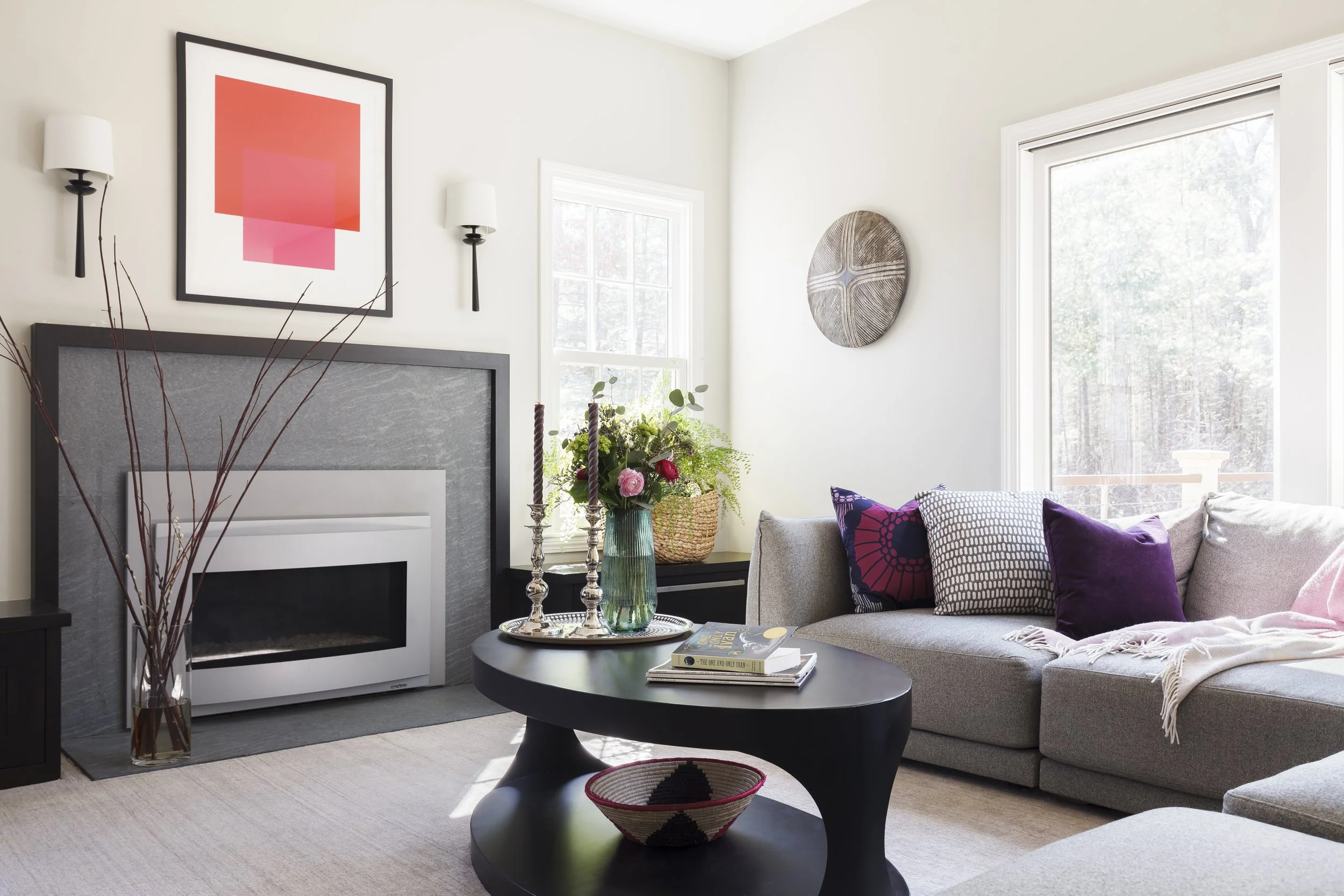
We believe the most successful interiors are not created by following trends or accumulating beautiful objects. They emerge from understanding the architecture, the people who live there, and the countless relationships between space, proportion, materials, color, and light.
The result is a home that feels cohesive, personal, and entirely natural to live in.
Because the real luxury isn't simply having a beautiful house. It's living in a home that feels unmistakably yours.
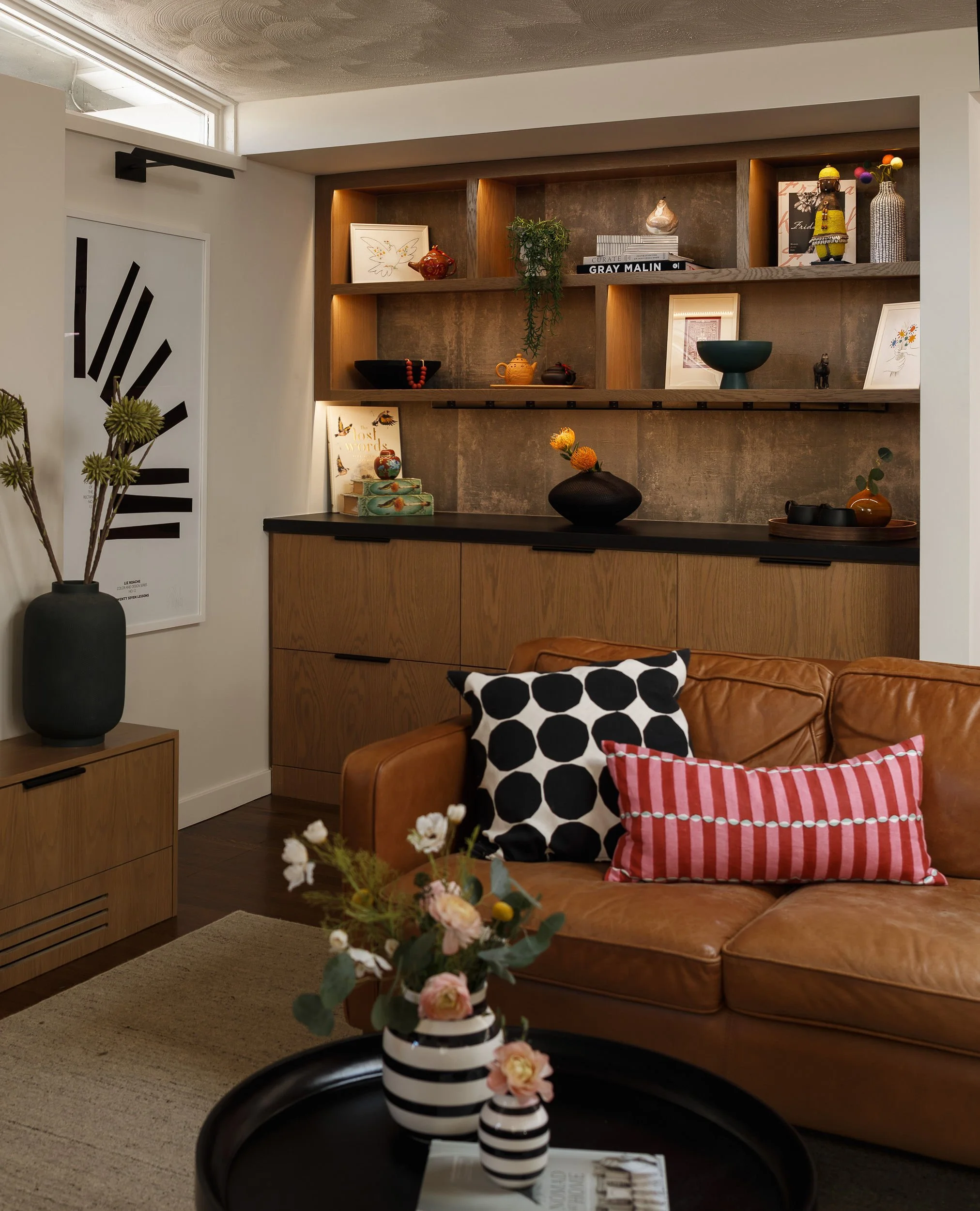
Join Us in Boston: Making a House Yours
What to change. What to keep. Where to invest.
If you've recently purchased a home, are considering buying one, or are planning a significant renovation, we'd love to invite you to a special evening of conversation and inspiration.
On Thursday, November 5, 2026, at 6:30 PM, DFI Interiors will join Michael Merullo, Luxury Property Specialist with Coldwell Banker, and the BauTeam Group team for Making a House Yours: A New Homeowner Design Evening, hosted at the BauTeam showroom in Boston.
Together, we'll explore some of the most important decisions homeowners face when transforming a property, including:
Which improvements deserve priority and which can wait.
How to avoid common and costly renovation mistakes.
Where thoughtful design and quality investments can make the greatest difference.
How to approach a new home with a clear vision rather than a series of disconnected decisions.
Through real-life examples and an engaging discussion, we'll share perspectives from real estate, interior design, and kitchen planning, followed by an opportunity to ask questions and connect with our hosts.
Whether you're preparing to move into a new property or contemplating changes to your current home, we hope you'll leave with fresh ideas and greater confidence in the decisions ahead.
We would be delighted to welcome you.
Reserve Your Place for November 5
DFI Interiors is a residential interior design studio serving Boston, Newton, and the surrounding Greater Boston communities. We specialize in new construction, renovations, and thoughtfully layered interiors designed with character and made for living.
